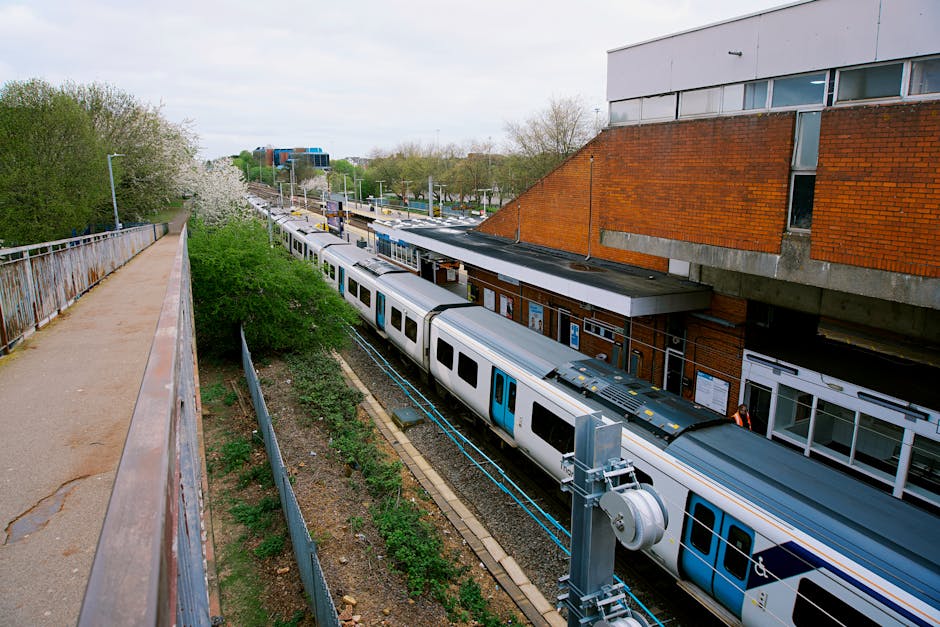
Acton Town station garden maintenance by local gardeners
Anyone walking past a station entrance on a damp weekday morning knows the difference a cared-for planting area makes. It softens the hard edges, gives the place a calmer feel, and quietly tells people that somebody is on top of things. That is exactly why Acton Town station garden maintenance by local gardeners matters. Around a busy transport hub, there is very little room for sloppy edges, overgrown shrubs, or tired-looking beds. The space needs to look tidy, work safely, and stay resilient through heavy footfall, weather shifts, and the usual wear that comes with London life.
This guide explains what station-side garden maintenance involves, how local gardeners typically manage it, what benefits it brings, and what to watch out for if you are planning regular upkeep. Whether you are looking after a small frontage, shared green space, or simply trying to understand what good maintenance should include, you will find a practical, grounded overview here. No fluff. Just useful detail, in plain English.
Table of Contents
- Why Acton Town station garden maintenance by local gardeners Matters
- How Acton Town station garden maintenance by local gardeners Works
- Key Benefits and Practical Advantages
- Who This Is For and When It Makes Sense
- Step-by-Step Guidance
- Expert Tips for Better Results
- Common Mistakes to Avoid
- Tools, Resources and Recommendations
- Law, Compliance, Standards, or Best Practice
- Options, Methods, or Comparison Table
- Case Study or Real-World Example
- Practical Checklist
- Conclusion
- Frequently Asked Questions
Why Acton Town station garden maintenance by local gardeners Matters
Station gardens are not just decorative. They shape first impressions, support wayfinding, and help a busy place feel looked after. Near Acton Town, where people are arriving, leaving, waiting, and passing through at pace, the planting areas need to do several jobs at once. They should look neat from the street, stay safe for pedestrians, and remain manageable across the seasons.
Local gardeners bring a practical advantage here. They know the pace of the neighbourhood, the kinds of plants that hold up in exposed spots, and the reality of London weather, which can feel very different from one week to the next. A patch that looks fine in April can look ragged by late July if nobody has planned ahead. That is the bit people often miss.
There is also a visual trust factor. A maintained verge, planter, or border gives the impression that the whole area is cared for, not just the visible bits. And let's face it, when a station forecourt is clean and green, people notice. They may not say anything, but they feel it.
For businesses, property managers, housing groups, or transport-adjacent sites, good garden maintenance can also reduce complaints. Overgrown hedges, weed-heavy beds, and leaf build-up near entrances are the kind of small issues that quickly become big ones. One windy week, and suddenly you have debris everywhere. Annoying, but very fixable with the right routine.
Key takeaway: station garden maintenance is about more than appearance. It is about safety, reliability, and keeping a high-traffic public-facing space presentable all year.
How Acton Town station garden maintenance by local gardeners Works
In practice, maintenance usually starts with a site review. A good local gardener will look at plant health, soil condition, drainage, edging, visibility lines, access routes, and any safety concerns. They will also note how much sun the area gets, whether foot traffic is compacting the soil, and whether nearby roads or rail activity create dust, shade, or wind exposure.
From there, the work is usually split into repeat tasks rather than one-off fixes. That matters. Station gardens rarely stay tidy for long without a schedule. A one-time tidy-up helps, of course, but the real value comes from regular visits that keep things under control before problems spread.
Typical maintenance may include:
- weeding and litter removal
- hedge trimming and light shaping
- lawn mowing or edging, where turf exists
- deadheading flowers and removing spent growth
- mulching to reduce weed pressure and improve moisture retention
- checking for pests, disease, or plant stress
- seasonal pruning and replanting
- clearing leaves, moss, and debris from paths or borders
In a station setting, timing matters as much as the task itself. Work often needs to be planned around commuter peaks, visibility, noise, and access. Some tasks can be done quickly in the early morning. Others are better left for quieter windows. It is a small thing, but it makes a big difference to how smoothly the job runs.
Local gardeners also tend to be more responsive. If a border has been damaged by trampling or a planter has dried out faster than expected, they can adjust the routine without waiting around for a larger, less flexible crew. That kind of practical agility is underrated.
Key Benefits and Practical Advantages
The obvious benefit is that the site looks better. But there is more to it than neatness. In a place like Acton Town, where movement is constant and the surroundings are highly visible, small improvements can have outsized value.
1. Better presentation
Well-maintained planting areas create a cleaner, more welcoming appearance. People tend to assume that a tidy exterior reflects a tidy operation inside. Fair or not, that is how perception works.
2. Safer movement around the site
Trimmed plants, clear sightlines, and uncluttered paths reduce the risk of accidental trips, obstructed views, or awkward bottlenecks. A hedge that has crept out by a few inches does not sound serious until somebody has to squeeze past in a rush.
3. Healthier planting over time
Regular attention helps plants stay strong. Deadheading, feeding where appropriate, cutting back worn growth, and checking for pests all support long-term resilience. The result is less replacement work and fewer bare patches.
4. Lower long-term repair pressure
Small problems are cheaper and easier to handle early. A weed issue left alone turns into a bigger job. A damaged border left through winter often needs extra work in spring. Maintenance is, in a quiet way, a form of prevention.
5. Better use of local knowledge
Local gardeners understand the rhythm of the area. They know which plant choices tend to cope, how exposed a spot really is, and what seasonal changes to expect. In our experience, that local judgement is often what separates a decent result from a consistently good one.
6. Easier planning and accountability
With a defined maintenance schedule, it becomes easier to budget, review work, and spot when something is slipping. That clarity is useful whether the site is managed by a landlord, a business, a housing association, or a community group.
Who This Is For and When It Makes Sense
This kind of service is useful for more people than you might expect. It is not limited to large public-facing organisations. Often, the people who need it most are the ones managing a small but highly visible patch of ground and trying to keep it from becoming a constant headache.
It makes sense for:
- property managers responsible for frontages or shared exterior areas
- businesses near the station that want a neat, credible entrance
- housing associations and resident groups managing communal planting
- site owners with planter beds, boundary strips, or small lawns
- organisations that need regular maintenance without hiring in-house staff
- anyone whose outdoor space is exposed to heavy use, wind, or fast growth cycles
You may also be in this category if you have tried to maintain the space yourself and noticed the same thing every season: it starts well, then life gets in the way. Perfectly normal. Most gardens do not fall apart overnight. They drift. A little here, a little there, and suddenly the whole area feels tired.
If the site is both public-facing and close to transport activity, it is worth thinking beyond appearance. Can people move through safely? Are sightlines open? Is the planting robust enough for the conditions? Those questions help decide whether routine care is enough or whether the layout needs a more structured approach.
For readers comparing broader outdoor services, it may help to look at the wider services overview and decide whether maintenance alone is sufficient or whether the space would benefit from targeted improvements first.
Step-by-Step Guidance
If you are planning Acton Town station garden maintenance by local gardeners, the easiest way to approach it is in stages. That keeps the job manageable and avoids the classic mistake of trying to do everything at once, which usually leads to rushed work and a slightly annoyed afternoon.
Step 1: Assess the space properly
Start with a walk-through. Note what is growing well, what is overgrown, and what is failing. Look at access points, pedestrian movement, drainage, and whether any parts of the space are hidden from view. A quick glance is not enough here. Spend a bit of time with it.
Step 2: Decide what needs regular attention
Separate one-off work from repeat maintenance. For example, clearing a heavily neglected border is a different job from keeping a tidy planter looking sharp each month. This distinction matters for budgeting and scheduling.
Step 3: Set priorities
Focus first on safety and visibility. Then on plant health. Then on appearance. That order tends to work well in public or semi-public spaces. It is tempting to start with flowers, because they are the nice bit, but structure comes first.
Step 4: Choose suitable plants and maintenance rhythms
If the site is exposed, pick plants that are robust, not fussy. If the area is shaded or narrow, use species that cope with those conditions. A gardener with local experience can help here without overcomplicating it. Sometimes less really is more.
Step 5: Build a seasonal routine
Spring might involve feeding, edging, mulching, and early pruning. Summer often needs watering checks, deadheading, and faster weed control. Autumn usually means leaf clearance and cut-backs. Winter is about protecting the structure and avoiding damage in wet or frosty conditions.
Step 6: Review after the first cycle
After a few visits, look at what is working and what is not. Are some plants struggling? Are weeds returning too quickly? Is the schedule too infrequent? Small tweaks early on save a lot of hassle later.
That is the practical version. Nothing glamorous. But it works.
Expert Tips for Better Results
Good maintenance is rarely about doing more. Usually, it is about doing the right things in the right order and not letting small issues sit around for too long. Here are the details that tend to make the biggest difference.
- Use mulch where suitable. It helps suppress weeds and keeps moisture steadier, especially in beds that dry out quickly.
- Trim lightly and regularly. Frequent light maintenance usually looks better than infrequent heavy cutting.
- Keep edges crisp. Clean edging makes a space look cared for even when the planting is fairly simple.
- Check drains and hard edges. Waterlogged soil near paths can cause mess and damage if left unchecked.
- Choose hardy, site-appropriate plants. A beautiful but fragile planting scheme is not much use if the location is tough.
- Schedule work around commuter flow. Even small disruptions can feel bigger in a station environment.
- Photograph the site occasionally. Before-and-after records help spot slow changes and prove what has been done.
A small human note here: some of the best maintenance plans are not especially exciting to look at on paper. But they save a huge amount of time in real life. Boring on the page, brilliant in practice.
If budget is tight, focus on the things people actually notice first: edges, weeds, overgrowth, litter, and dead plants. That alone can transform a site. Fancy planting is lovely, but tidy fundamentals do the heavy lifting.
Common Mistakes to Avoid
Most maintenance problems are not dramatic. They are small oversights repeated over time. The good news is that they are usually easy to prevent once you know what to look for.
Ignoring seasonal timing
Some jobs need to happen at a specific time of year. Leave pruning too late, and you can weaken the plant or spoil the shape. Leave leaf clearance too late, and paths get messy fast.
Choosing plants for looks alone
Plants that look great in a nursery pot may struggle near a busy station if the site is windy, shaded, dry, or compacted. Always match the plant to the place.
Letting weeds get established
Weeds are far easier to remove when they are tiny. Once they root deeply, they take more time and often come back quicker. A few minutes now saves half an hour later. Simple, but true.
Over-pruning
It is tempting to "neaten" a space by cutting things back hard. Sometimes that helps. Often it leaves the planting bare and stressed. Light, thoughtful cuts are usually safer.
Skipping aftercare
After clearance or replanting, the work is not done. New plants need checking. Soil needs settling. Watering needs to be monitored. That first month matters a lot.
Forgetting access and safety
Maintenance near an active station or busy frontage should never block movement or create hazards. It sounds obvious, but in a rush, people miss it. A cone in the wrong place, a tool left out, or green waste piled near a path can cause unnecessary problems.
And yes, the odd thing does get missed in real life. We are all human. The point is to catch it before it becomes part of the scenery.
Tools, Resources and Recommendations
For station garden maintenance, the right tools are usually the ones that make regular work quick, clean, and safe. There is no need to overbuy. In fact, too much kit can slow people down.
| Task | Useful tools | Why they help |
|---|---|---|
| Weeding | Hand fork, hoe, kneeler, gloves | Removes weeds efficiently without damaging nearby plants |
| Edging | Half-moon edger, spade, line marker | Creates neat borders and clearer boundaries |
| Hedge trimming | Hedge trimmer, loppers, pruning saw | Helps shape growth and keep sightlines open |
| Lawn care | Mower, strimmer, rake | Keeps grass even and stops edges from looking ragged |
| Debris removal | Rake, broom, bags, grabber tool | Helps keep paths and beds clear of leaves and litter |
| Plant health checks | Notebook, phone camera, inspection checklist | Makes it easier to track changes over time |
For a bigger or more involved site, it may also make sense to combine maintenance with related services like garden clearance, hedge trimming, or lawn mowing. That can be a more efficient approach than treating each issue as a separate job.
If the area needs a fresh start rather than just tidy-up work, landscape gardening or broader landscaping may be worth considering. Likewise, if overhanging branches are causing shade or debris, tree lopping and removal can be relevant, though only where appropriate and lawful for the site.
For people comparing suppliers or trying to get a clearer sense of service scope, the pricing and quotes page can help frame expectations before making a decision.
Law, Compliance, Standards, or Best Practice
Station-adjacent garden maintenance in the UK is not only about looks. It also needs to be handled with proper attention to safety, access, and waste handling. Exact responsibilities can vary depending on who manages the land, but a few best-practice principles usually apply.
First, any work near public access routes should be planned so it does not create hazards. That means keeping tools managed, waste removed promptly, and paths clear during and after work. If there is any chance of public interaction, a careful working method is essential. It sounds basic, but basics matter.
Second, contractors should work to sensible health and safety procedures. Protective equipment, safe tool use, and clear site awareness are standard expectations. If you are hiring help, it is reasonable to ask how they approach risk assessment, access control, and incident reporting. That is not being fussy. That is being sensible.
Third, green waste should be handled responsibly. In most cases, collected cuttings, leaves, and debris should be removed and processed appropriately rather than left in piles for later. If sustainability matters to you, ask how waste is sorted and whether recyclable green waste is separated where possible. A lot of people overlook this until the site looks tidy but the back area looks like a storm has visited.
Finally, if the garden area includes trees, rail-adjacent boundaries, or structures shared with others, permission and responsibility lines should be clear before any heavier work begins. Do not guess. Confirm who owns or manages what. That small step avoids awkward conversations later.
For site managers who want to understand operational standards more fully, it is worth reviewing a provider's health and safety policy, insurance and safety information, and recycling and sustainability approach. Those pages are useful because they show how the work is handled, not just what is promised.
Options, Methods, or Comparison Table
There is more than one way to manage a station garden. The best option depends on how visible the space is, how much it grows, and how much time you want to spend on it. Here is a straightforward comparison.
| Approach | Best for | Pros | Trade-offs |
|---|---|---|---|
| Ad hoc tidy-ups | Very small or low-use areas | Simple, flexible, low commitment | Easy for issues to build up between visits |
| Regular maintenance visits | Most station-side gardens and frontages | Consistent appearance, better plant health, fewer surprises | Needs a schedule and ongoing budget |
| Seasonal intensive work | Sites that only need periodic resets | Useful for major cut-backs or spring/autumn refreshes | Can leave long gaps where the site looks tired |
| Maintenance plus redesign | Problem areas or outdated planting | Improves both function and appearance | Takes more planning and a bigger upfront commitment |
In most cases, regular maintenance is the sweet spot. It keeps the space presentable without letting the work spiral. If the area is already messy, a clearance or redesign phase may be needed first, then maintenance can take over.
There is a useful rule of thumb here: if every visit feels like a rescue mission, the schedule is too light or the planting plan is wrong. If every visit is routine and predictable, you are probably in the right place.
Case Study or Real-World Example
Consider a modest station-side frontage with a narrow bed, a few shrubs, and a small strip of grass. At first glance, it does not look difficult. But after a few months without regular attention, weeds show up around the edging, the shrubs start to lose shape, and leaves gather where people cut across the corner. Nothing dramatic. Just the sort of slow decline that makes a place look a bit forgotten.
A local gardener starts by clearing the debris, removing the worst weeds, and trimming back the growth that is narrowing the walkway. Then they set a fortnightly routine: light weeding, edge checks, seasonal pruning, and a quick visual review of plant health. Over time, the bed becomes easier to manage because the big problems never get the chance to settle in.
What changed most was not the planting itself. It was the rhythm. The space went from "catch-up work" to "steady upkeep." That is the real win. Not flashy. Just dependable. And honestly, dependable is often what people want most from this kind of site.
If the same frontage had been left to run longer, the likely next steps would have been heavier clearance, extra waste removal, and perhaps some replanting. Early maintenance avoided all that. Simple lesson, really.
Practical Checklist
Use this checklist if you are planning or reviewing Acton Town station garden maintenance by local gardeners.
- Walk the site and note problem areas
- Check access points and pedestrian movement
- Remove litter, fallen leaves, and loose debris
- Weed beds before roots become established
- Trim hedges and shrubs without overcutting
- Confirm plants suit the light, wind, and soil conditions
- Clear paths and edges so the area stays safe and easy to pass through
- Mulch where appropriate to reduce weeds and hold moisture
- Inspect for pests, disease, and plant stress
- Decide on a realistic schedule for repeat visits
- Review waste handling and sustainability practices
- Keep a simple record of what was done and when
If you can tick most of those off, you are in good shape. If not, that is fine too. It just means the next round of work will have a clearer focus.
Conclusion
Acton Town station garden maintenance by local gardeners is really about keeping a visible, high-use space tidy, safe, and quietly reliable. The best results usually come from regular, practical care rather than dramatic interventions. Clean edges, sensible planting, timely trimming, and a routine that fits the site all matter more than most people realise at first glance.
Local gardeners bring the added value of nearby knowledge, faster response times, and a better feel for how the space behaves through the seasons. That combination is especially useful around a station, where first impressions and everyday safety both count. And if the site needs more than maintenance, it helps to compare options carefully before deciding what to do next.
Get a free quote today and see how much you can save.
With the right hands on the job, even a modest strip of planting can make the whole area feel calmer, cleaner, and more welcoming. That small improvement really does add up.
Frequently Asked Questions
What does Acton Town station garden maintenance by local gardeners usually include?
It usually includes weeding, trimming, edging, deadheading, debris removal, light pruning, plant health checks, and seasonal tidy-ups. The exact scope depends on the site and how much growth needs managing.
How often should a station garden be maintained?
For most visible public-facing spaces, regular visits work better than occasional heavy work. Weekly or fortnightly attention is often enough for smaller sites, while more active growing periods may need extra visits.
Why use local gardeners instead of a larger regional team?
Local gardeners often respond faster, know the area better, and can adapt to the site's conditions more easily. That local feel matters when the space is exposed, busy, or needs quick turnarounds.
Can small station garden areas really make a difference?
Yes. Even a narrow bed or modest frontage can change how a place feels. Neat planting and clean edges create a better first impression than many people expect.
What are the biggest maintenance problems near busy stations?
Common issues include fast weed growth, litter build-up, foot traffic damage, compacted soil, dry patches, and overgrown shrubs that start to block views or access.
Is garden clearance needed before regular maintenance can start?
Sometimes, yes. If the space has been neglected or is heavily overgrown, a clearance phase may be the best first step before a regular maintenance routine takes over.
How do I know if the planting is suitable for the location?
Look at how much sun, wind, shade, and foot traffic the area gets. If plants keep struggling despite care, the site conditions may not match the planting choices. That is usually the clue.
What should I ask a gardener before booking them?
Ask about their maintenance process, schedule flexibility, insurance, safety approach, waste handling, and whether they have experience with public-facing or high-traffic spaces.
Does station garden maintenance need special safety planning?
Yes, especially if the area is close to public access routes. Work should be planned so tools, waste, and movement do not create hazards. Clear procedures are a good sign.
How can I keep costs under control?
Regular maintenance is usually cheaper in the long run than letting problems build up. It also helps to agree a clear scope, decide what is routine and what is extra, and review the site regularly.
What if the garden area needs more than simple upkeep?
If the space has poor layout, tired planting, or structural issues, it may need landscape gardening or broader landscaping before regular maintenance becomes worthwhile. Sometimes the reset comes first.
Can maintenance be done without disrupting people using the station area?
Usually, yes, if the work is timed carefully and carried out with awareness of peak movement. Good planning makes a big difference here. A little timing goes a long way.
How do I know whether I need hedge trimming, lawn mowing, or full maintenance?
Think about what is actually causing the problem. If the space is mostly tidy but overgrown at the edges, hedge trimming or mowing may be enough. If weeds, debris, and plant stress are all building up, a fuller maintenance visit is the better choice.
Where can I learn more about related services?
You can start with the broader garden maintenance page, then look at specific services such as lawn mowing and hedge trimming if the site needs targeted help.