Gardening Acton: Recycling and Sustainability for Greener Gardens
 Gardening Acton champions an eco-friendly waste disposal area model that helps residents and community gardeners reduce landfill and support local biodiversity. Our approach to a sustainable rubbish gardening area emphasises source separation, reuse, and community redistribution of garden materials to create a circular, low-waste neighbourhood.
At the heart of our programme is a borough-wide commitment to separate waste streams — including food waste, garden/green waste, paper and card, plastics, glass and general residual waste — so that compostable material becomes compost, recyclables stay in the system, and only minimal waste reaches disposal. This approach to waste separation aligns with many London boroughs' successful recycling models, and it underpins how we design every eco friendly waste disposal area and sustainable garden waste zone in Acton.

Targets and performance: increasing our recycling percentage
Our immediate recycling percentage target is to reach a 60% recycling and composting rate for all gardening-related waste within three years, moving toward a longer-term goal of 70% as infrastructure improves. This target covers household garden waste, community allotment green waste, and material diverted through reuse partnerships.We focus on practical design: clearly labelled collection bays, covered composting stations, and dedicated drop-off points for clean wood, cardboard, and soil. These features ensure the eco-friendly garden refuse area is both accessible and efficient, reducing contamination and improving the quality of recovered material. Low-contamination recycling directly improves processing outcomes at transfer stations and reduces carbon emissions from repeated sorting.
Garden groups and residents are encouraged to adopt simple separation habits — keeping grass cuttings and prunings in green bins, placing pots and trays in a reuse box, and bagging small amounts of mixed garden waste separately. These small acts contribute to a robust sustainable rubbish gardening area and support borough-wide recycling targets.

Local transfer stations and transfer hubs
We work closely with nearby local transfer stations and transfer hubs that handle garden and recyclable materials. Typical transfer facilities accept segregated green waste, compostable material and dry recyclables, and they are essential links between neighbourhood collection and large-scale processing. Our strategy is to maximise direct delivery of sorted loads to transfer stations to avoid double handling and to lower transport-related emissions.Partnerships are central to our success. We collaborate with local charities, community gardens, and reuse organisations to ensure useful materials are diverted from disposal. Through partnerships with repair and reuse charities, plastic nursery pots and seed trays are cleaned and circulated back to growers; through community compost schemes, finished compost is shared with allotment holders and planting projects.
These partnerships help create a visible, circular economy in the gardening sector — a sustainable rubbish area becomes a resource exchange point. By giving soil-improving compost and reusable pots a second life, we reduce the need for virgin materials and cut embodied carbon associated with new garden supplies.
To support collection and redistribution we operate a fleet of low-carbon vans and small vehicles. The fleet includes electric vans and the latest low-emission models to service community depots and transfer stations. Using energy-efficient transport for garden waste pickup reduces the carbon footprint of waste management and supports our commitment to a greener, more resilient eco-friendly garden disposal network.
Designated local drop-off points and community hubs are open for sorted garden waste and recyclable garden materials. A typical neighbourhood green zone will include:
- Dedicated compost drop-off and pick-up areas
- Separate bays for clean wood, soil, and garden plastics
- Reuse shelves for pots, trays and tools
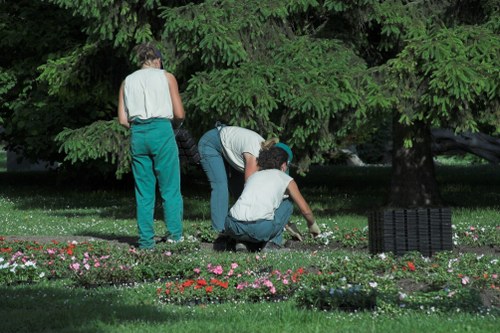 Education and clear signage make the eco-friendly waste disposal area straightforward to use: pictorial labels, colour-coded containers, and short instructions ensure people of all ages can participate. We emphasise the simple rule: keep compostables out of the recycling stream, keep recyclables clean and dry, and bundle residual waste to prevent contamination.
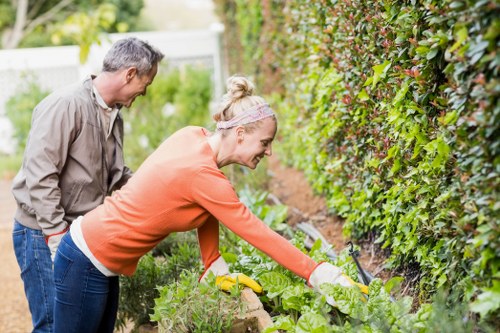 Our borough-style approach blends municipal services and community action: scheduled collections for garden waste, community-run compost bays, and local transfer stations that accept pre-sorted loads. The result is a sustainable garden waste area network that supports urban greening while minimising environmental impact.
By combining targets, infrastructure, charity partnerships and a low-carbon transport fleet, Gardening Acton is building a resilient, inclusive model for a sustainable rubbish gardening area and eco-friendly waste disposal area. Join local initiatives, use the clearly marked facilities, and help us reach our recycling targets — together we can make Acton greener and cleaner.